Update and traveling to Montreal
I think it's been 20 months since I last posted/emailed from my now destroyed Substack blog. I made some updates afterwards on Instagram, but it's not accessible to everyone and also currently deactivated, so I will pretend like those updates never happened. I started feeling further disillusioned with social media and personal privacy among other things, reclusing even more than normal. Feel like I'm coming out of that and have some things in place, so hopefully ever present again.
For this update, I'm not writing in too much detail because it's been such a long time, and anything more verbose will be reserved for individual dedicated posts. Also to note: moving forward, all posts will have names removed and faces obscured. I'm not expecting to soar to fame, and from the start, everyone reading will be close individuals. But in terms of personal identifiable information publicly available and willingly put on the internet, I want it minimized within reason.
In short, I completed five more bucket list items:
- Hold a 5s handstand 11/10/24
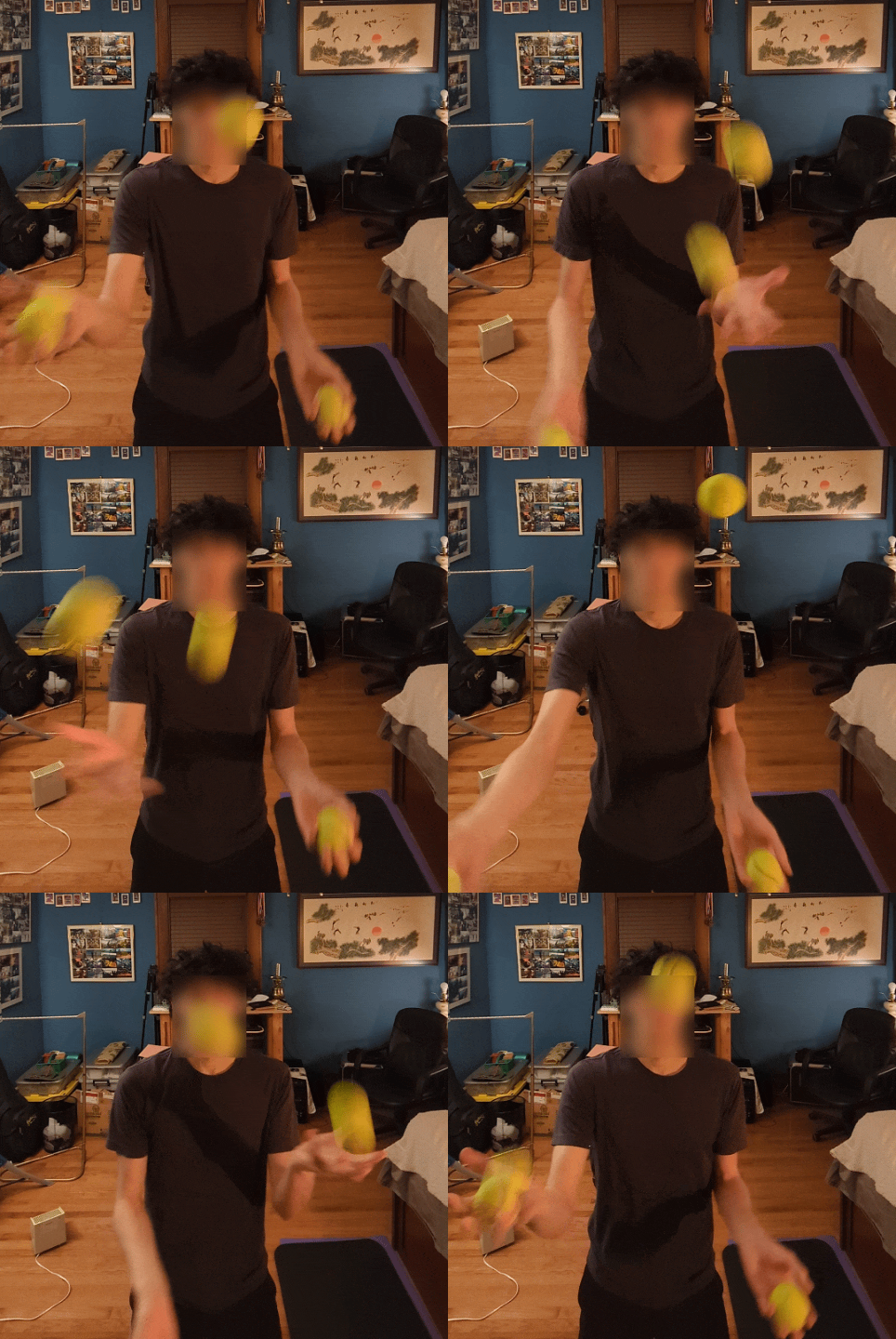
- Juggle 3 items for 1min 12/26/24
- Earn EIT license (prerequisite before Professional Engineer licensure) 1/1/25
- Grow hair 1ft length 1/7/26
- Conventional deadlift 319lb/145kg 4/25/26
I finished 自閉症の僕が跳びはねる理由 by 東田 直樹, No Longer at Ease by Chinua Achebe, The Ministry for the Future by Kim Stanley Robinson, Toxic Charity by Robert D. Lupton, and We Are Displaced by Malala. There are some other unnamed, in progress, and DNF books I plan to resume later. If you'd like to add me on StoryGraph (goodreads alternative), ask ahead.
Made a long trip out West and a far trip to a wedding in Japan.
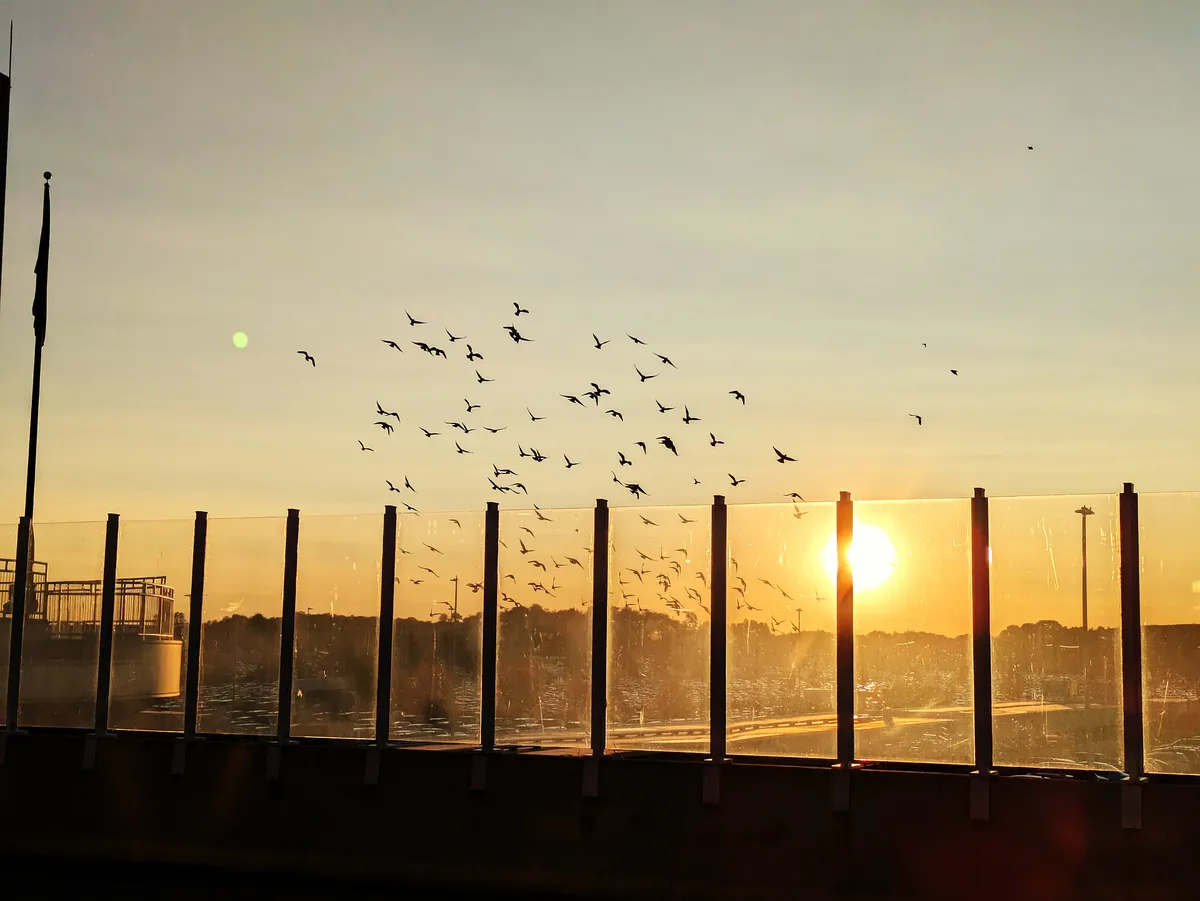
Flock of birds flying amidst sunset at an airport
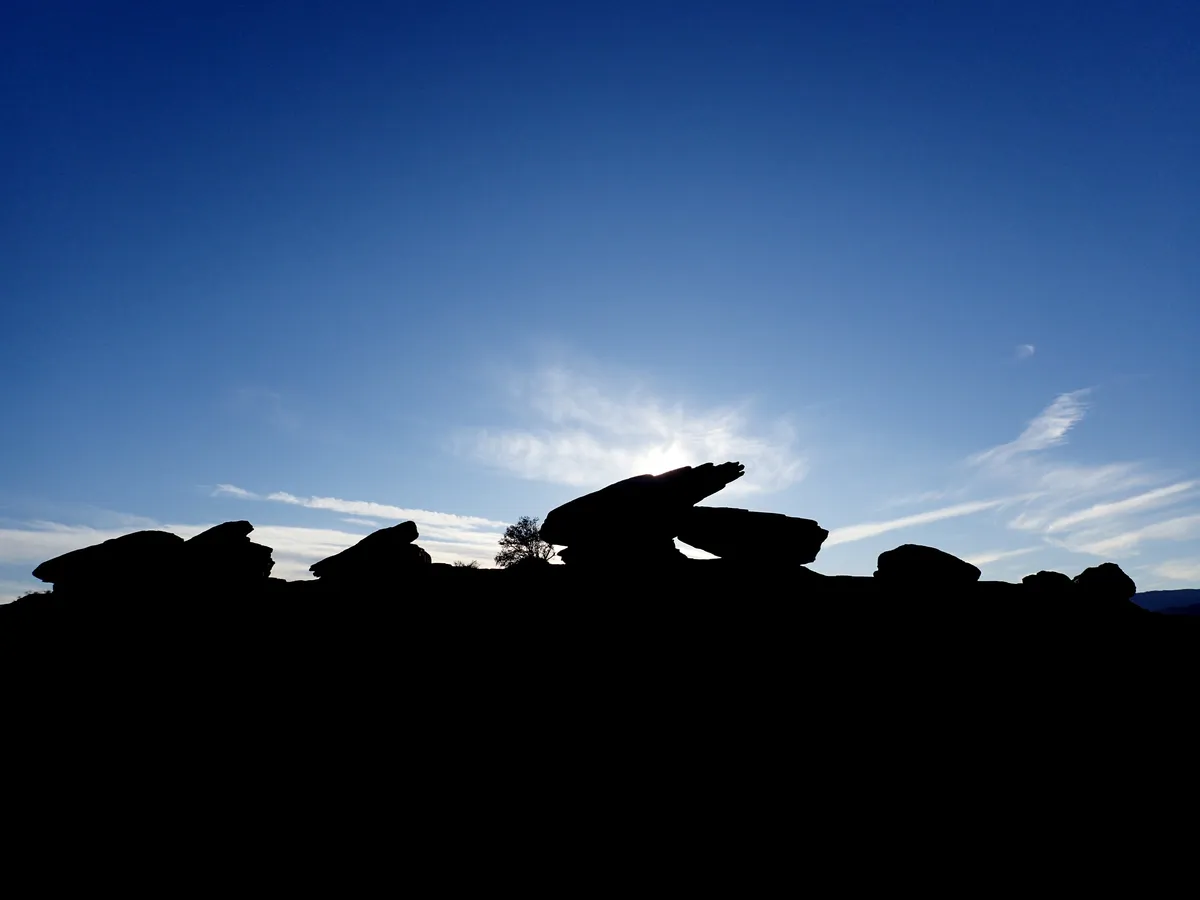
Silhouette of stones against a stark blue sky at Horseshoe Bend in Arizona
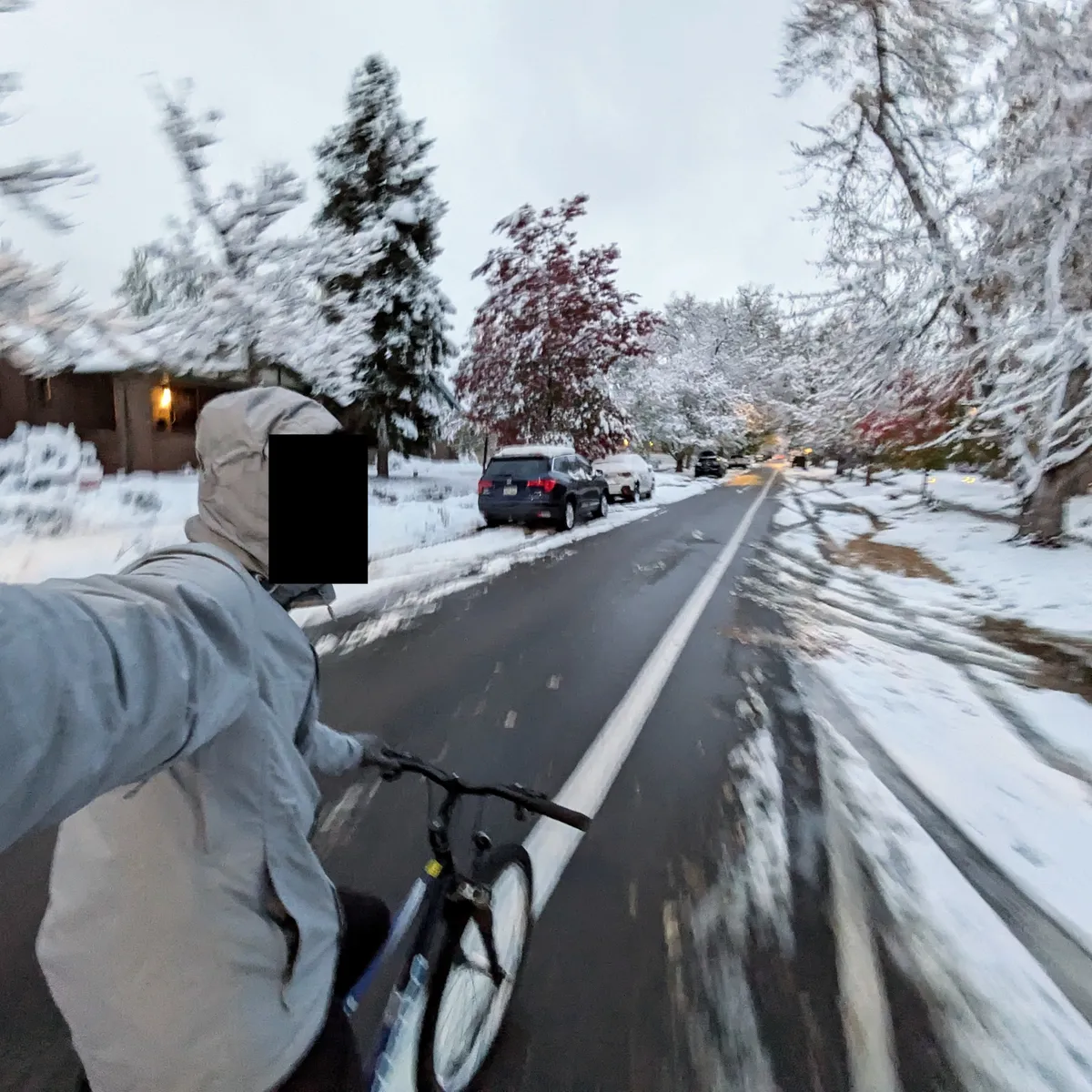
Utilizing the bike paths in Denver, CO despite snow and cold conditions
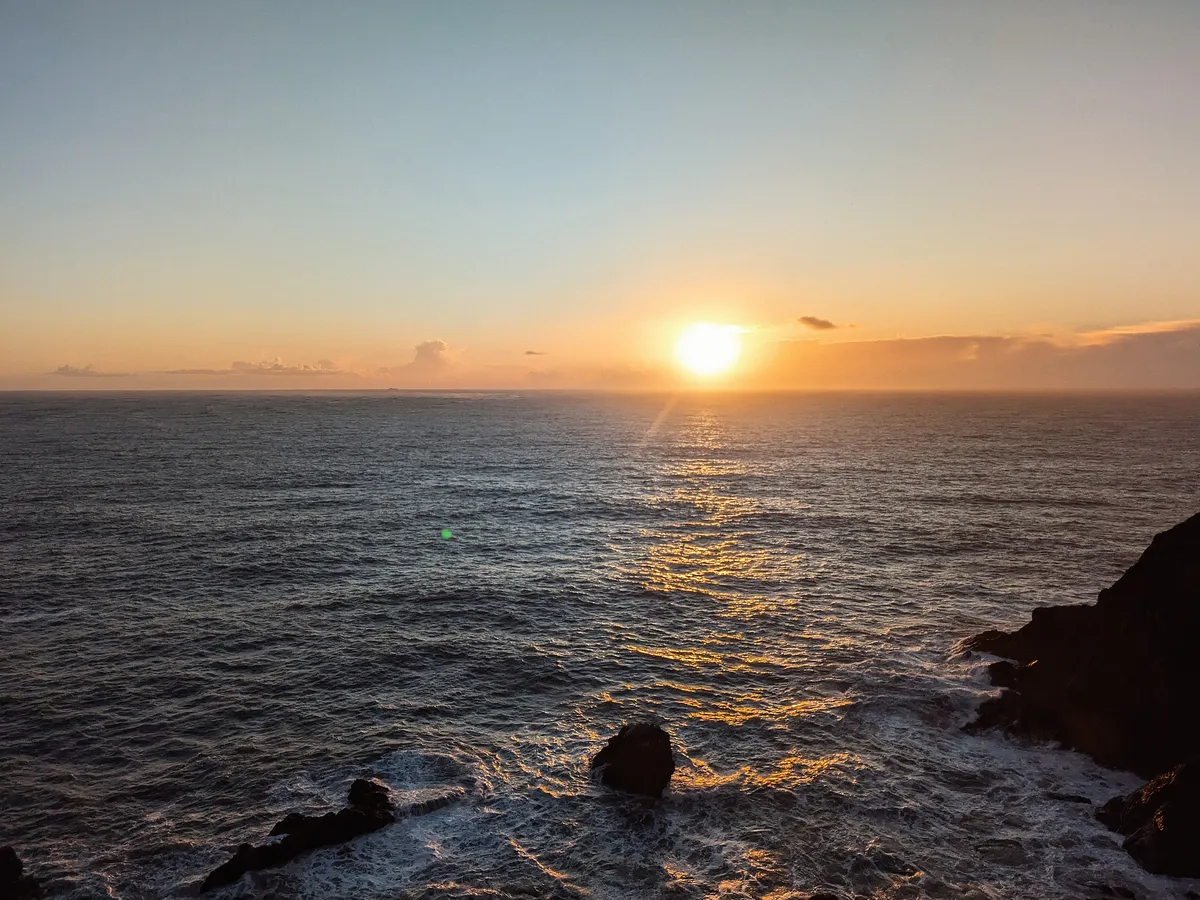
Pacific ocean sunset
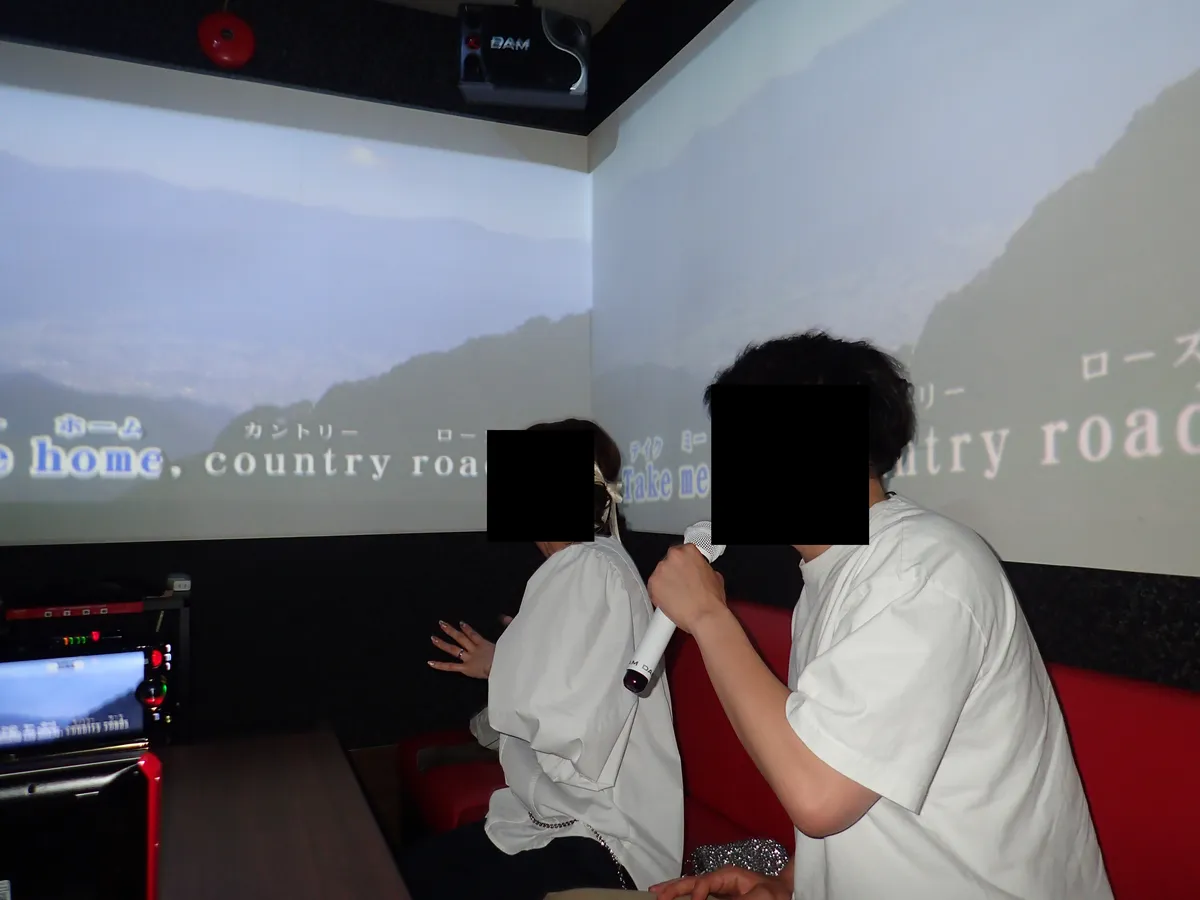
Singing Country Roads at karaoke after the wedding
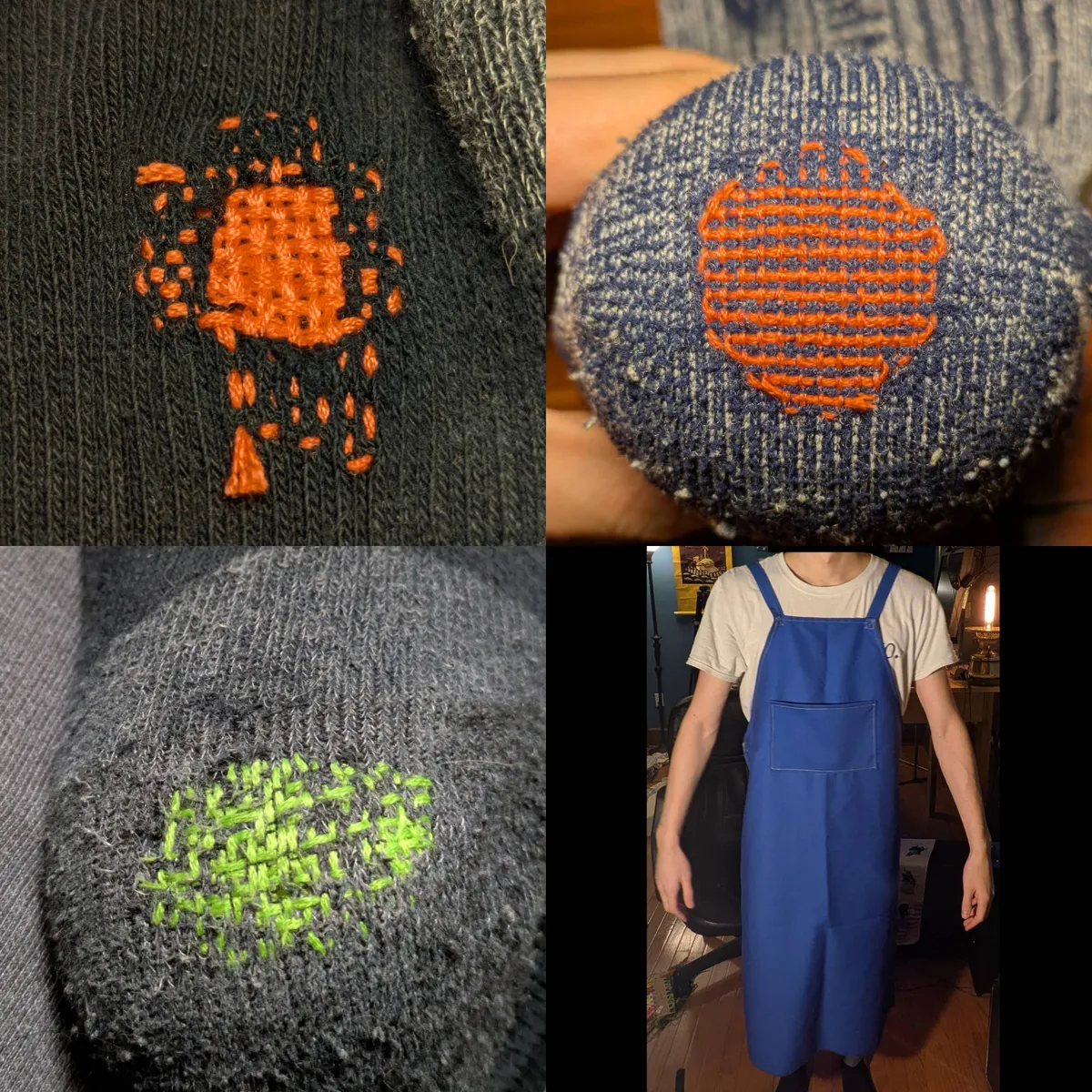
Sewed a custom long apron from scratch for a tall friend and darned many holes that sprouted in decade old socks.
I like to listen to 古筝, 琵琶, or 琴 music while doing this mundane but tranquil task which gives me a satisfaction of sustainable action. The 2000 year old instrument recorded into digitized binary values on CD, passed down and heard the exact same way as my grandfather whom will never know I too listened to it. Cat perched on the window looking out into the dark alley, a soft rain and breeze cooling the house warmed by the day's sun. It's an unimaginably boring Friday night for some, yet something I enjoy.
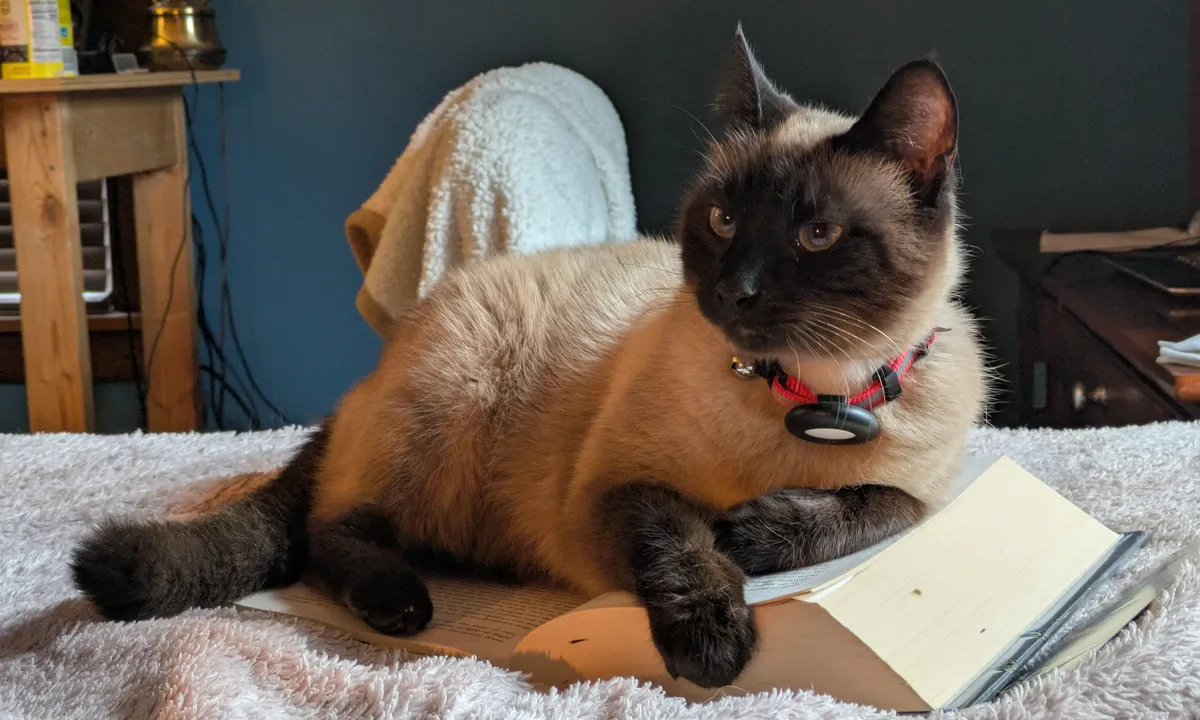
Obviously, fixed some bikes. Repaired and donated 2, sold 1. As of writing, there are 7 bikes in my possession, 4 to give away.
Recently received a promotion and raise. The word senior is now in front of my title, despite still being the youngest individual within the company. And we currently only have 1 woman out of 15. Yeah...
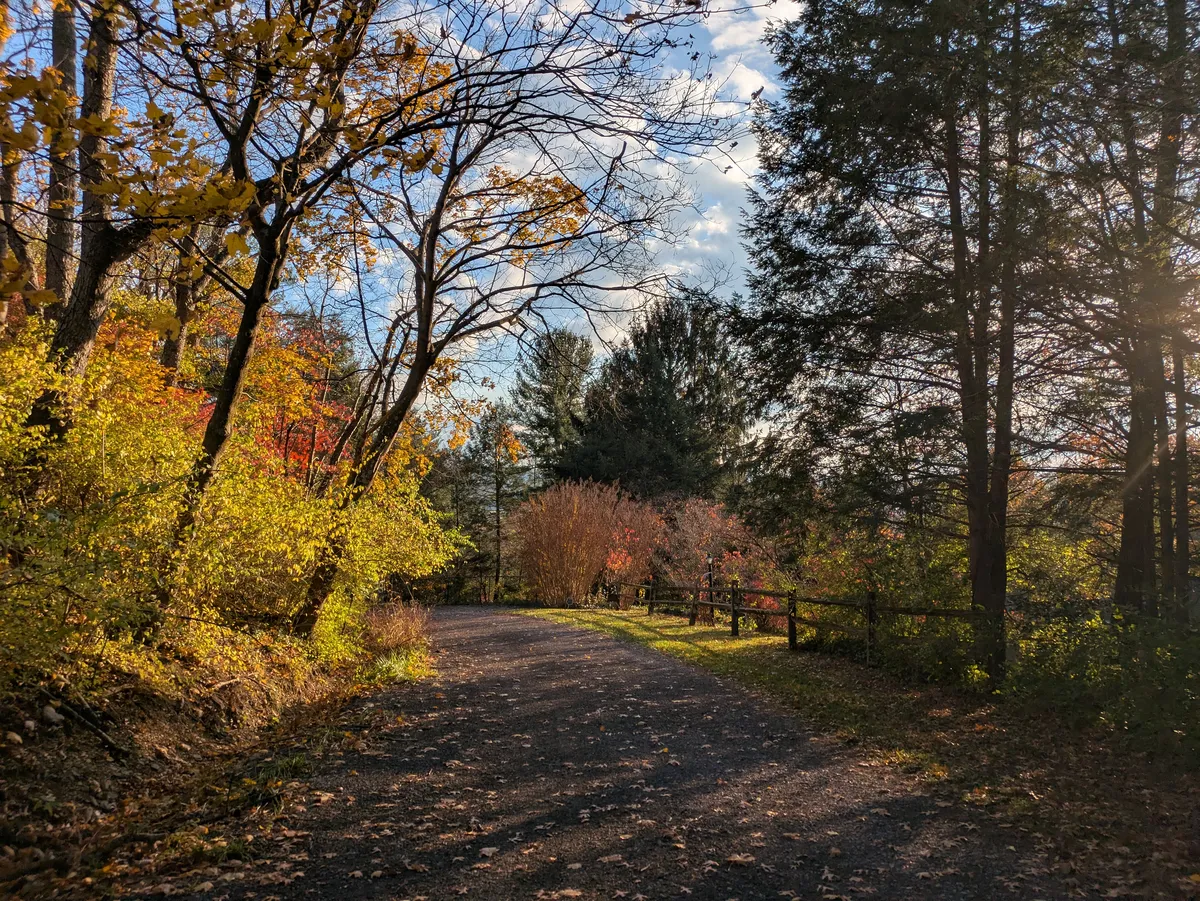
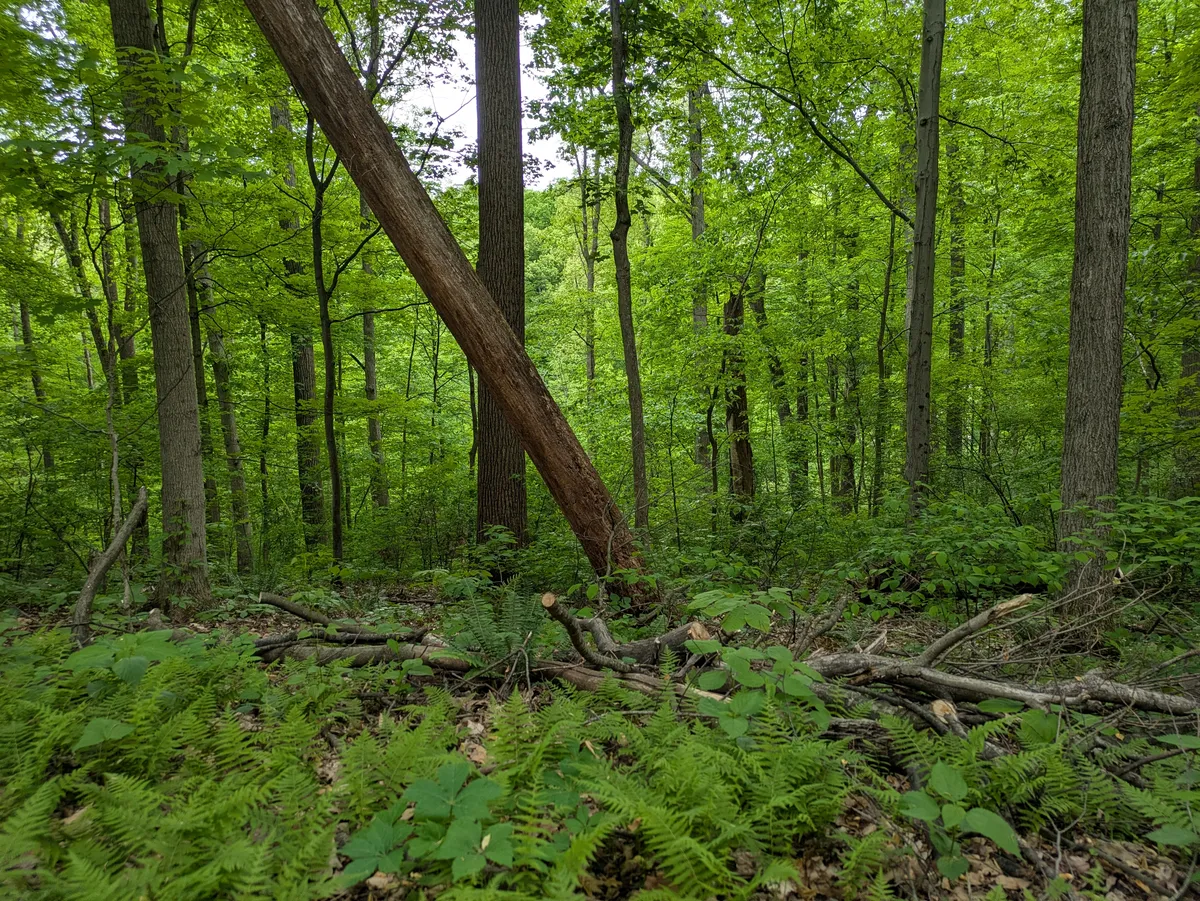
The following two photos simply show the local landscapes from the most recent fall and summer seasons. These may make natives or those with ties here nostalgic or homesick.
That's enough catchup. On to the near present. I rode Amtrak's Floridian (temporary replacement to the Capitol Limited), Northeast Regional, and Adirondack all the way to Montreal. According to an EPA publication by C. Andrew Miller in 2020, there are different emissions savings based on the plane type, train type, and trip length. The DC to NY leg saved about 150 lb CO2 per passenger. At about 215 air miles and 0.75 lb CO2 per mile, the flight would have emitted 161 total lb CO2. That's a lot of savings. 93% less emissions. That route is electric and good. For the NY to Montreal leg, it's diesel and we're saving 80 lb CO2 per passenger. 325 air miles at 0.63 lb CO2 per mile is 205 total lb CO2, 39% less emissions. That's honestly not very good. But considered a crap network with slow old diesel trains, it's still something. The leg room and amenities were much better than a plane, and I was able to work on them fairly comfortably, albeit not my typical mouse intensive detailed work. Conclusion: trains in this country have room for improvement, though it can be difficult to afford behind the cost of munitions. It is important to note that of all emissions in the USA, only 29% come from transportation, and of that percentage, only 7% planes and 2% trains. So 2% of emissions are from planes. Cars and trucks account for 80% of that 29%, so 23%. The remaining majority comes from Industrial, Commercial, and Residential use: 61%.
In Montreal, I will be doing my own thing. A completely autonomous employed lifestyle in a city greater than 100k and over 3000/sq. mi density for the first time. The population is about 1.8M, up to 4M for their metropolitan area. With a density of 12,500/sq. mi, it will not be the densest place I've ever been by far, but it will certainly be the densest place I've ever made weekend plans, spent evenings after work, or searched social/hobby groups. Some urbanists I've watched online tout 13,000/sq. mi to be the "ideal" density. I'll be the judge of that. For reference, Manila, PH is 115,000/sq. mi and New York proper is 29,000. The main experience questions are:
- Will I enjoy it?
- Will it become overwhelming?
- Will I have trouble sleeping from noise?
- Is the bicycle infrastructure really that good here?
Truthfully, there have not been too many places I did not like existing in solely because of their design. I think my minimum ideal is being within 40min walking or biking trip of at least one restaurant I like and one grocer; having my entire livelihood tied to the existence and maintenance of an automobile just doesn't sit right with me. And those trips need to be safe/low risk per my personal metric. I've done my fair share of unsafe things like crossing a 6 lane parkway or riding on 35mph roads at night (with lights of course). But some routes just exude "maimed or killed"; I am not brazen, desperate, or idiotic enough for those. My old 2mi bike commute was done on the uneven sidewalk because people would drive over 45 on that 35. Of course the city waited until I left to add a two-way separated bike lane directly on my commute route. Hope it is appreciated and utilized in my stead.
Below are some interesting random statistics from the 2022-2026 WV Strategic Highway Safety Plan
- 57.2% of injuries were related to speeding or aggressive driving
- 32.2% - not wearing seatbelt
- 21.5% - dui
- 7.5% were pedestrian or cyclist injuries, however, 52.6% of the pedestrian fatalities had no fault. They were following all laws, properly visible, no erratic behaviors.
- Also, apparently the most risky time to be a pedestrian in WV is 9pm on a Thursday
That wraps up this update. Future posts will contain more updates, insights from Montreal, and random topics from my notes.
Until next time.